
Carpeting can be a major purchase for your home. You want it to have a long life, look good, and be comfortable to walk on. Before you choose your carpet, it is important to understand the different types of carpet fibers (Figure 1) that are available and their advantages and disadvantages.
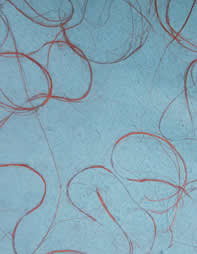
Figure 1 - Carpet Fibers
The type of fiber used to make a carpet determines its visual appearance, overall durability, feel, resistance to stains - and the cost.
Synthetic materials are the most popular of the fibers used in today’s carpets accounting for about 97% of all fiber used. Synthetic materials are adaptable into a variety of styles and applications. They are generally easier to maintain than natural fibers.
Common materials used for carpet fibers are:
Nylon:
Extremely durable, stain and mildew resistant and static free, Nylon is an excellent choice for all levels of traffic and applications. It maintains its fiber height allowing it to withstand the weight of heavy furniture and people. Nylon is dyed during the production of the fiber thereby avoiding any color run after it is produced.
Nylon accounts for approximately 90% of all residential carpeting. Expect square yard prices from $10 for Cut Piles increasing to $30 for Multi-Level Loops.
Olefin: (polypropylene)
Controlling the commercial market with an 80% share, Olefin is the least expensive of the man made fibers. A very strong fiber, Olefin is resistant to moisture and mildew and is easy to clean and maintain. It is an indoor and outdoor fiber and is the common fiber used for artificial turf.
Polyester:
Less expensive than nylon or wool, Polyester fiber creates a very attractive carpet.
Commonly used in soft loop or Berber loop carpets, Polyester is a fiber that is used to make a luxury product. Crush resistant, available in a vast array of dynamic colors and its resistance to fading provides Polyester fibers with a lot of advantages. Polyester fibers are easy to clean and are resistant to water based stains.
Acrylic:
Acrylic is the closest synthetic fiber to wool. Because of its wool like attributes, it is used extensively in Velvet and Plush Level Loop carpets. Acrylic fibers offer the appearance and feel of wool at a much lower cost and has the advantage over wool of being moisture and mildew resistant. The Acrylic fiber resists crushing, stains and will not fade from sunlight.
Acrylic fibers are not suitable for high traffic areas, such as hallways, family rooms, and stairs as they are a high wear product. Hence, they provide a perfect carpet in master and guest bedrooms.
Wool:
When it comes to luxury and performance, no other fiber compares to Wool. Wool carpets maintain their height; they are ultra soft with a feel that is incomparable.
Wool fibers are easily died or you can choose natural colors of off white to lack, and they repel water. They are very easy to clean and have an exceptionally long life. Wool fibers are usually used in cut pile and textured carpets.
Wool is one of the most expensive of the natural fibers and much more than synthetic fiber carpets. Wool carpets are also less resistant to moisture than synthetic fiber carpets.
Blends:
The aforementioned four fiber types are often combined in a many variations to produce carpets that take the best qualities of each fiber type to produce a group of exceptional finished products.
For the luxurious look and comfort of wool with the durability of nylon, consider a Wool/Nylon blend.
Other common blends include Acrylic/Olefin and Nylon/Olefin. Although less expensive these blends are usually subject to staining.
PET:
If a green
environment is part of your criteria then you may want to consider the purchase of a carpet made of PET fibers.
Recycled plastics, primarily soda containers, are the basis for polyethylene terephthalate or as it is more commonly known in the industry PET. Fibers made from PET are not as plush or soft to the feel as other synthetic fibers but they are very durable, water and static resistant and offers extremely good value.