
Anytime that you need to fasten something, be it racking, cabinets or other objects to a wall, floor or ceiling made from concrete you must consider the best method to anchor it. One of the most common errors made by the DIY home handyman is to look in his glass jars to find a fastener that might
work. After spending countless hours and dollars on a home improvement project skimping on the fasteners is foolish to say the least.
There are hundreds, if not thousands of fasteners and anchors designed for mounting items to concrete.
In this review we will attempt to cover the most popular fasteners and describe their differences. By no means have we listed every concrete fastener or anchor that exists and there may be some that have been left out that have benefits that the ones we have listed do not.
It should also be noted that many manufactures make the same basic fasteners and anchors and although there are some subtle differences, in order to differentiate their products, the end result, in most cases, will be similar.
The reader should not assume that the position in the list represents the quality of the product. The items are listed randomly and their position should not be taken to imply anything what-so-ever.
Concrete Anchors & Fasteners
| Identification | Features | |
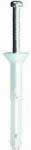 |
Nylon Nail-It Anchors: |
Through fastening; |
| Base Material | Application | |
Concrete; |
Light duty; |
|
| Identification | Features | |
 |
Metal Hit Anchors: |
Tamper resistant; |
| Base Material | Application | |
Concrete; |
Light duty; |
|
| Identification | Features | |
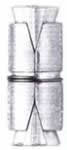 |
Double Expansion Anchors: |
1/4″ to 3/4″ bolt size; |
| Base Material | Application | |
Concrete; |
Dead, variable or vibratory loads. |
|
| Identification | Features | |
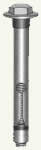 |
Sleeve Anchors: |
1/4″ to 3/4″ bolt size to 6 1/4″ long; |
| Base Material | Application | |
Concrete; |
Medium to heavy-duty fastening into solid concrete; |
|
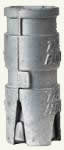 |
Single Machine Screw Anchors: |
Setting-tool required to set anchor; |
| Base Material | Application | |
Concrete; |
Light duty; |
|
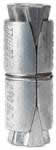 |
Double Machine Screw Anchors: |
As above with better performance in base materials of questionable strength |
| Base Material | Application | |
Concrete; |
Medium duty; |
|
| Identification | Features | |
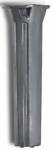 |
Lead Anchors: |
Sheet metal or wood screws are used to expand anchor; |
| Base Material | Application | |
Concrete; |
Light duty; |
|
| Identification | Features | |
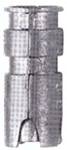 |
Single Expansion Anchors: |
Work well in most materials, even soft masonry and mediums; |
| Base Material | Application | |
Concrete; |
Medium to heavy duty; |