
There are many materials used for countertops, laminate, ceramic and porcelain tile, marble, granite, stainless steel, synthetic epoxy compounds and hardwoods. One of the newest materials to be used for countertops in a residential kitchen, as shown in Figures 1 & 2 and bathroom, as shown in Figure 3, is concrete.
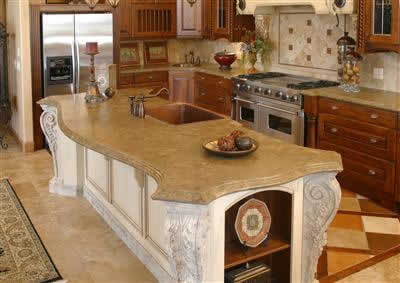
Figure 1 - Concrete counter top in kitchen
Picture courtesy of: Stone Passion
It should be noted that making concrete countertops is not a DIY home improvement that can be undertaken by the home handyman. The types and blends of concrete mix used are closely held secrets and are definitely not available at the big box retailers.
If you want to undertake the construction of a concrete countertop Renovation-Headquarters.com has a set of detailed instructions on How to make a concrete countertop
What advantages do concrete countertops provide to the homeowner - primarily the ability to create a unique aspect of your room. Unlike most countertop materials concrete has the advantage that you can embed objects in such as a piece of ceramic or porcelain tile to act as a trivet or a cutting board which is level with the surface. Concrete can be cast into almost any shape imaginable and it can be textured or polished.
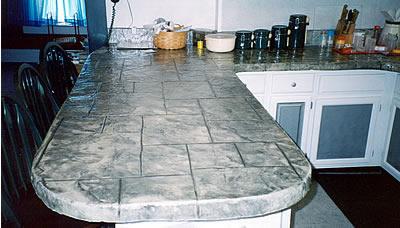
Figure 2 - Concrete countertop in kitchen
It is possible to have sinks cast directly in the concrete countertop or you can choose to have a surface or undermount sink made of another material.
Concrete generally compares in price per square foot with marble and granite. The price is based on the complexity of the form, any embedded objects and the surface finish rather than the actual size of the countertops.
When shopping for concrete countertops it is important to visit the manufacturer and discuss the details.
Edges of concrete countertops can be finished with traditional styling and shapes, but with concrete, it is also possible to provide decorative inlays such as brass or stainless steel strips.
Creating edges on concrete, after the concrete has cured, requires the use of concrete router bits, as shown in Figure 4.
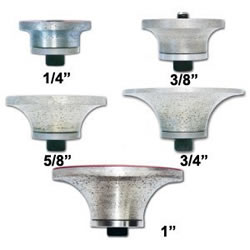
Figure 4 - Diamond router bits for concrete
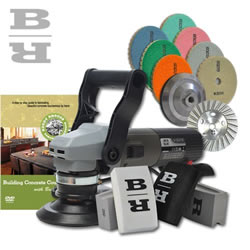
Figure 5 - Concrete polisher with diamond pads
In order to polish the surface of the concrete you must use a specialty grinder that is designed for polishing concrete with diamond polishing pads, as shown in Figure 5.
Depending on the manufacture and the shape of the required countertops, they can be formed directly in place or at the manufacturer’s facility. Having it manufactured in a controlled environment production facility, generally provides a better product.
The coloring of concrete is accomplished by blending color pigments into the concrete mix. Hence, the color is not on the surface but is throughout the countertop.
It is important to point out that concrete countertops are not created with general purpose concrete available in 60 pound bags at your local home improvement center. Depending on the manufacturer the concrete will have epoxies and materials such as fiberglass added to the blend to provide strength.
Surprisingly, concrete countertops are generally not recommended for outdoor use. Freezing problems in cold climates and UV problems in very sunny climates can cause problems with the finish.
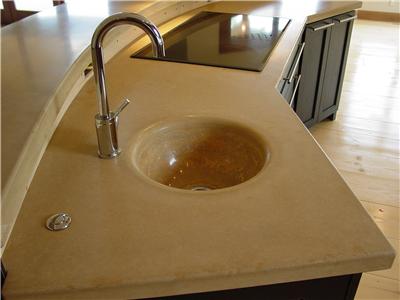
Figure 3 - Concrete countertop in bathroom
A concrete countertop is not made to be a cutting surface. Besides the fact that you can scratch the finish with a knife blade, it will destroy the knife blade edge as well. As a cutting surface, concrete is no different than natural stone such as marble or granite. Concrete also reacts in the same manner as granite to excessive heat. Areas that experience excessive heat may flake.
It is important to apply a good finished sealer to concrete to avoid possible staining by acid based products such as red wine, vinegar, tomato and lemon juice. Some manufacturers use an epoxy finish that is actually harder than the concrete itself. Other’s use a penetrating sealer and wax combination.
Additional information on Kitchen Remodeling
Additional information on Bathroom Remodeling