
Flooring generates some of the most common complaints that builders receive. Squeaking, discoloration, lumps, bumps, and vibrations are but a few of the problems home-owners endure because of material shrinkage or poorly constructed floor systems.
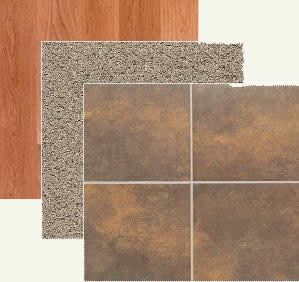
Figure 1 - Types of finish flooring materials
The task of constructing a long-lasting, trouble-free flooring system is complicated. Avoiding structural problems using many of the new flooring systems made increasingly popular by rising lumber prices, demands advanced knowledge of the framing.
New floor framing systems often employ commonly used materials in new configurations and until the requirements are well understood by the framing trades you must be especially vigilant if your are to ensure that all design details and requirements are met.
Finish flooring is often the showcase item in a new home, and any inconsistency in the underlay or sub-floor quickly shows through. To prevent telegraphing of underlay joints or fasteners, you must acclimatize underlay materials to the temperature and moisture expected under normal house operations. This step is pivotal in preventing problems, as underlay material varies from manufacturer to manufacturer, and it varies in response to moisture conditions.
The spacing and cantilevering of joists, fastening of sub-floor material, and the span of support beams all contribute to the rigidity and feel of a floor. By choosing the right combinations, you can construct solid floor systems which do not necessarily cost more but will perform considerably better.
This section looks at the most common flooring problems and their causes, and it offers practical solutions to them. Combined with your awareness of the types of flooring products generally used in your area and the usual types of problems builders experience, this section will help you construct long-lasting and trouble-free floors.
Table 1 is the index detailing the topics for the flooring systems section.
- Load Transfer
- Noise Problems
- Floor squeaks
- Inadequate Support
- Wood-I joists are overstressed around perimeter
- Wood-I joists are overstressed at point loads
- Support beam sags
- Deflection and Vibration
- Vibration and Movement
- Floor vibration
- Cantilever Deformation
- Overloading of wood-I joists at cantilevers
- Inadequate joist support
- Deformation of floor joists
- Finish Flooring
- Flooring Materials
- Discoloration of resilient (vinyl) flooring
- Telegraphing of underlay, leading to buckling of finishes
- Ceramic tile cracking
- Cracking of hardwood joints
- Crowning of hardwood boards
- Squeaking hardwood floors
- Squeaking