
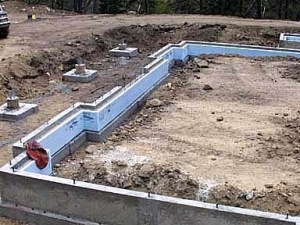
Figure 1 - Poured concrete foundation and walls
The cost of repairs to foundations almost always exceeds the cost of better construction practices implemented at the time of the original construction.
Table 1 identifies and provides solutions to many of the problems typically seen in the foundations of newly constructed houses. The solutions provided represent the better design and building practices being applied by leading builders and the best practical advice being offered by building researchers, professional associations and the home building industry.
In many cases they reflect building code requirements and in other instances, the solutions offered represent practices that go beyond minimum requirements, providing additional protection against potential defects and callback costs.
Table 1 - Problems & Solutions Found In House Foundations
- Concrete Foundation Walls
- Structural Deterioration And Damage
- Cracks and spalling from under-strength concrete
- Cracks and spalling from under-designed concrete.
- Cracks in foundations and slabs resulting from settlement and movement
- Cracks and spalling from poor construction practices
- Poor placement and finishing techniques
- Over watering
- Improper curing of concrete
- Inadequate cold weather protection - below 41°F (5°C)
- Inadequate hot weather precautions - above 85°F (30°C)
- Shrinkage cracks
- Cracks in foundations and slabs resulting from settlement and movement
- Cracks in foundations and slabs resulting from frost heaving and freezing
- Footings not extending below the frost line
- Moisture in soil adhering to the foundation wall and the lifting foundation
- Deterioration from salt attack
- Water Leakage
- Water leakage through foundations
- Condensation on interior of foundation walls
- Humid, damp, or, musty basement or crawl space
- Moisture damage to interior insulated foundation walls.
- Creep and movement of exterior foundation insulation above grade
- Slabs-on-ground
- Structural Deterioration And Damage
- Water Leakage
- Damp or wet floor slab
- Insulation
- Cold Floors
Concrete Foundation Walls - Introduction
Concrete foundations are the predominant foundation type in new home construction, especially in harsher climates in the Northern US and Canada. They encompass poured concrete walls and concrete block walls. When proper construction techniques are used, these tow types of foundation can be durable and defect-free. However, when poor construction techniques are applied, costly construction defects are likely to result.
The major problems can be divided into two categories:
- Those which result in structural deterioration and damage.
- Those which result in water leakage and moisture damage.
The causes of their difficulties are often similar.
To reduce the likelihood of problems, builders must specify correct materials, use proper placement and curing procedures, and employ good drainage and moisture-control practices.