home improvement

Paneling

Home

Main Index

Blog

New Pages

New Product Showcase

Bathroom

Kitchen

Flooring

Roofing

Electrical

Gardening


Home Improvement Categories

A

Additions

Air Cleaners

Air Conditioning

Air Quality

Appliances

Articles

Asphalt Driveway

Attic


B

Backsplash

Basement

Bathroom

Before & After Pictures

Blinds

Books

Building Permits


C

Cabinets

Calculators

Carpet

Caulking

Ceilings

Concrete

Condensation

Construction

Contractor

Converters

Cork

Counter Tops


D

Decks

Demolition

Design / Layout

Doors

Driveways

Drywall


E

Electricity & Electrical

Environmental

Exterior


F

Fans

Faucets

Fences

Financing

Fireplace

Fixtures

Flooring


G

Gardening

Garage

Glass Blocks


H

Heating

Home Automation

Hot Water Systems

Humidity


I

Insulation

Insurance


K

Kitchen


L

Laminate Flooring

Landscaping

Lead Based Paint

Lighting

Luxurious Materials


M

Magazines

Mold & Moisture


P

Painting

Patio

Plans - Free

Plumbing

Publications


R

Roofing

Roofs


S

Safety

Security

Sinks

Skylights

Stairs

Steel Studs

Structured Wiring


T

Tile - Flooring

Toilets

Tools


V

Vacuums - Central

Ventilation

Vinyl Flooring


W

Wallpaper

Walls

Window Decor

Windows

Wood Flooring


Understanding Paneling

Paneling has come along way since it was first introduced in the early 60's.  Where paneling was once considered to be the inexpensive way to finish walls in a basement, recent improvements in quality and additions to design have made paneling available in high quality hardwoods.


Installing paneling is a project that any home handy person should be able to accomplish.  It does not require a lot of fancy, unique or expensive woodworking power tools and in fact in the vast majority of cases paneling can be installed using basic hand tools.

Paneling does not have to cover an entire wall surface and in fact the types of wall paneling currently available provide the homeowner with the ability to use it as a functional as well as a decorative finishing material.

Traditional paneling is sold in 4 x 8 foot sheets in varying thicknesses.  However, paneling is now available as boards that lock together in a tongue and groove fashion, in a similar manner to hardwood flooring.

Consider that wall paneling is available as:
room done in bead board paneling

green chalk board used in room

decorative wall panels

white board panel used in a kitchen

ready to paint bead board

green chalk board

decorative wall panel

white board

Ready to paint, bead board adds texture and visual appeal to a room.
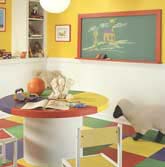
Green chalk board panels provide an erasable surface.
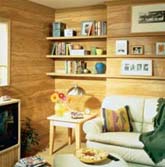
Decorative finish wall panels.
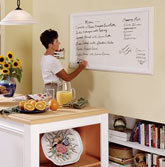
Dry erase wall panels provide the perfect surface for writing quick notes and messages.
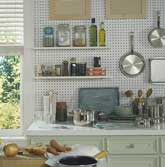
peg board used in kitchen

wainscot used in family room

simulated wood paneling used in kitchen

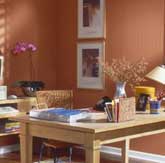
paneling in office

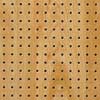
peg board

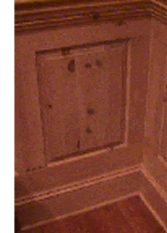
wainscot

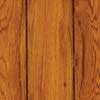
simulated wood paneling

leather look paneling

Traditional peg board can be used in a number of rooms for organizing everything.
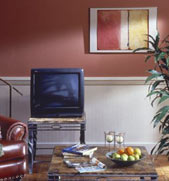
Wainscot is an excellent method to decorate any room in the home.
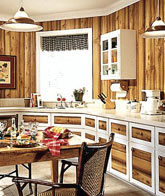
Available in a wide variety of wood grains, colors and with and without V grooves
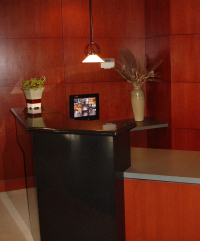
Paneling is now available with a number of different finishes including leather.


old barn lumber paneling

white pine inlay panel

Wood paneling made from old barn lumber.

White pine wainscot inlay panel


The aforementioned are only a few of the many paneling variations that are currently available in the market.


The finished result, of a paneling project is only limited by your creativity and imagination.  In many cases the trim and moldings used to finish the project also enhance the overall project's appearance.
Find a Contractor


Manufacturers, Retailers, Dealers - Advertise on this page!


Contact


wood paneling

copyright 2006/9 - all rights reserved

panel, wainscot