
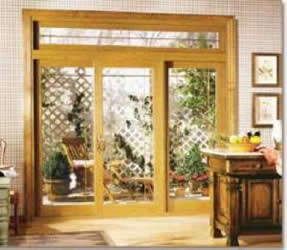
Figure 1 - Wood framed sliding glass door
Sliding glass doors are constructed and operate differently then sliding closet doors. Where sliding closet doors are suspended and slide on a track or rail that is above the door, a sliding glass door slides on a rail that is below the door, as shown in Figure 2. Metal, wood or fiber sliding glass doors are all constructed in a similar manner, although the actual sliding hardware will vary by manufacturer.
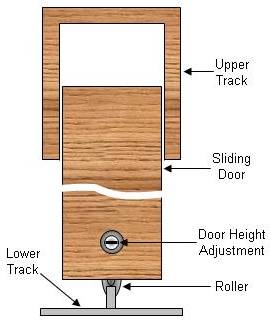
Figure 2 - Sliding glass door mounting assembly
If your sliding glass doors have become sticky, try the following procedures to return them to their original functionality.
- Remove the door from the track. To do this, lift up on the sliding glass door until the rollers clear the track. Pull the bottom forward a couple of inches and lower the door, the door should have cleared the upper track and now be independent of both the upper and lower tracks.
- Inspect the lower track, using a stiff brush, clean the lower track and vacuum up any dust or debris.
- With the sliding glass door balanced on its edge, inspect the rollers. Make sure that the rollers are not clogged with dirt or debris and if you have pets, a common problem is hair being wound around the rollers.
- Re-install the door by lifting the door into the upper track until the bottom rollers have cleared the top of the bottom track, position the door so that the rollers are over the bottom track and lower into position.
- Use caution if you consider applying silicone or other types of sprays that are designed to make sliding doors and windows slide easier. These sprays have a tendency to attract and hold dust, grime and pet hair and may clog up the rollers faster then if they were not used.
Warning: Sliding glass doors can be extremely heavy and caution must be used when removing them. Consider having a second person available to help balance and maneuver the door as it is removed from its track system.
The rollers should spin free, and they should not wobble.
If the rollers are damaged they must be replaced. Each manufacturer and depending on the material used to make the door, will have a different method of mounting the rollers to the door frame.
Note: Damaged rollers can also damage the lower track. If you have a damaged lower track is best to replace it, as installing new rollers on a damaged track will cause the new rollers to wear out prematurely.
With metal framed doors it is usually necessary to remove the bottom piece of the door frame in order to access the roller mounting bolts.
With wood framed doors the roller assembly is usually mounted in a channel that has been routed out of the bottom of the door frame.
Adjust the door height adjustment screws so that the edge of the door is parallel with the door frame. In most cases turning the roller adjustment screw clockwise will raise that side of the door and turning it counter clockwise will lower that side of the door.
A properly operating sliding glass door should not need any lubricant.