
Additional Toilet Information
Click on picture for larger view
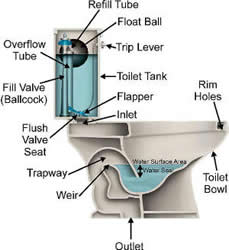
Figure 1 - Drawing of a toilet and its parts
The bowl sits on the floor and has a rubber or wax gasket sealing the drainpipe to the base of the toilet. These gaskets should never be reused. They are very inexpensive and anytime the bowl is lifted from the floor, the gasket should be replaced.
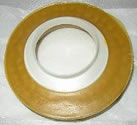
Figure 2 - Toilet bowl gasket
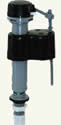
Figure 3 - Toilet float or fill valve
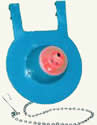
Figure 4 - Toilet flapper valve
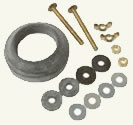
Figure 5 - Toilet tank gaskets, bolts, nuts and washers.
I prefer the wax gasket as I feel it molds better to any imperfections in the porcelain material on the base of the bowl and the drainpipe flange.
The toilet bowl gasket not only prevents water from the bowl from seeping onto the floor when the toilet is flushed, but it prevents sewer gas from entering the home.
The bowl is held down tight to the drainpipe with two bolts. The bolts, which should be brass, are designed with heads that fit through slots in the toilet drainpipe flange. These bolts stand straight up and fit into the holes in the base of the toilet. When tightened they compress the gasket between the base of the bowl and the flange and subsequently hold the toilet tight to the floor.
In a few instances, there may be an additional two holes in the toilet bowl base. These holes allow for the placement of two additional fasteners through the base of toilet and into the floor.
The tank contains two basic parts, although some manufacturers like Delta and Gerber have designed one mechanism that contains both functions of the two parts:
- Float or fill valve (Figure 3). The float or fill valve allows water to enter the tank to a certain predefined height.
- Flapper valve (Figure 4). The flapper valve allows the water stored in the tank to be delivered to the bowl.
A gasket and usually two and in a few instances three brass bolts, washers and nuts (Figure 5) hold the tank to the bowl and compress the gasket to prevent water leakage.
The incoming water pipe, which should have an independent valve, connects directly to the base of the float or fill valve.
Repairing A Toilet:
Prior to making any toilet repairs, turn the valve off that supplies water to the toilet and flush the toilet.
Symptom: Water is continually running.
The problem is either the float/fill valve or the flapper valve (or both).
To replace the float/fill valve:
- Use a sponge remove any water left in the bowl,
- Remove the nut that holds the water intake pipe from the bottom of the toilet tank. This nut is holding the incoming water pipe to the float/fill valve.
- Remove the nut that holds the float/fill valve tight to the bowl (located just above the water intake nut and it is on the outside of the bowl).
- Remove the old float/fill valve assembly and install a new unit.
- Tighten the nut that fits over the thread on the bottom of the float/fill valve (this nut compresses a gasket on the inside of the tank between the bottom of the tank and the float valve).
- Put the water intake pipe back in position and tighten the nut that holds it to the bottom of the float valve.
- Turn the water to the toilet on and look for leaks.
Replacing the float/fill valve:
If the flapper valve needs replacement, you may have to remove the tank from the bowl. This is dependent on the manufacturer of the toilet and style of valve used. Some flapper valves can be replaced without removing the tank. If you know the manufacturer of the toilet, you can easily buy the correct replacement. If you don’t know the manufacturer, take a close look at the flapper valve and then buy a suitable replacement. Follow the installation instructions with the replacement. If the tank has to be removed, I recommend replacing the bolts, washers, and the gasket (Figure 5) that sits between the tank and bowl. In many cases once these gaskets are compressed they will not reseal properly, once removed.
Note: Many of the toilet bowl cleaners that are slow dissolving and are placed in the toilet tank contain chlorine. If the flapper valve sits in chlorinated water it can have a detrimental effect on some of the materials that flapper valves are made of and cause the flapper valve to prematurely deteriorate causing the seal between the toilet tank and the flapper valve to leak.
Symptom: Water on floor.
A defective gasket that seals the bowl to the drainpipe usually causes this problem (Figure 2). However, the first thing to check is the incoming water supply. Make sure that there are no leaks around the incoming water supply valve or the water supply pipe where it connects to the toilet.