Over time the screws used to hold hinges on entry and passage doors (Figure 1) and cabinets (Figure 2), in their proper position can become loose. Loose hinge screws create sagging doors and doors that do not close or seal properly. The proper fix to this problem is relatively easy.
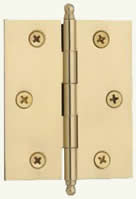
Figure 1 - Common exterior or interior door hinge
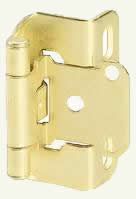
Figure 2 - Common cabinet door hinge.
The cause of loose hinge screws is generally caused due to one of the following three reasons.
- The weight of the door is actually to much for the screws that are being used. There is a twisting motion created on the screws because of the weight being held out at a distance.
- Individuals have been leaning on the door and applying additional stress to the screws.
- Organizers, mirrors or other items such as garbage cans have been added to the door creating additional leveraged weight. This weight is in excess of the design weight of the current door hinges.
Note: The screws supplied with hinges are generally rated to the hinge strength. If the screws are not strong enough to hold the door in position, it is likely that the hinge is not strong enough either.
A common error is to try and replace the current screw with a screw that has a larger diameter. It is crucial, for the proper operation of the hinge that the screws are completely flush with the surface of the hinge. Any height variation will damage the hinge by bending it out of shape.
Adding wood fill, will not work to repair a damaged or expanded screw hole as there is not enough material for the wood fill to grip, once the screw is replaced.
Note: Prior to making the hinge screw repair, inspect the hinges to ensure that they have not been bent out of alignment. If the hinges are bent, they should be replaced. It is almost impossible to straighten a bent hinge to its original shape and maintain its structural integrity.
When the proper size screws are used the two hinge plates should close flush on one another, as shown in Figure 3:
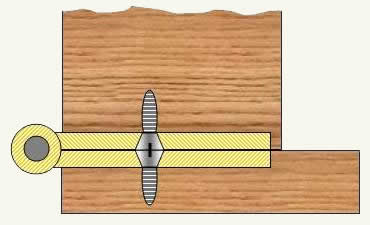
Figure 3 - Proper size hinge screws allow hinge to close properly
Hence, replacing the current hinge screw with a larger diameter screw will not solve the problem and actually will make the problem worse, as a larger diameter screw will have a larger head which will protrude past the surface of the hinge, as shown in Figure 4.
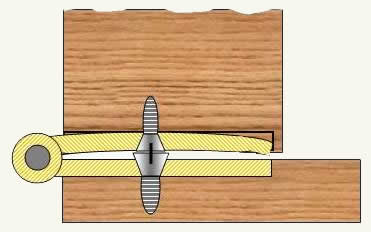
Figure 4 - Larger screws used in hinge causes hinge to bend out of shape
The proper repair for a hinge screw hole that has expanded to the point where the screw will no longer tighten and hold:
- Remove the door, by either popping the hinge pin or by removing the screws.
- Remove the hinge portion from the door.
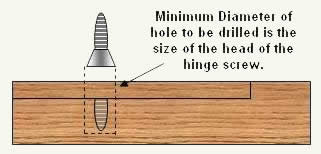
- Drill out the screw hole larger than the diameter of the head of the screw used to secure the hinge to the door, as shown in Figure 5.