
Maintaining the proper levels of humidity in your home is critical for the health of you and your family. Incorrect humidity levels can be the cause the growth of mold and bacteria.
Additional information on mold and bacteria.
Dry homes are also prone to discharges of static electricity through carpeting and other fabrics. Static electricity can cause damage to sensitive electronic devices such as computers.
There are four basic technologies that are used in humidifiers. Not all of the technologies are available or suitable for central forced air furnaces.
Types Of Humidifiers, Technology, Appearance & Suitability
Vaporizer:
Technology: Contains a heating element which boils water held in a reservoir. A vaporizing style of humidifier puts moisture into the air by sending out a stream of hot mist. Figure 1.
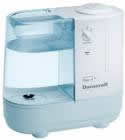
Figure 1 - Vaporizer Humidifier
Vaporizer technology is not suitable for forced air heating systems.
Ultrasonic:
Technology: Produces a very fine mist when water is passed over a vibrating plate. This mist is then released into the room. Figure 2
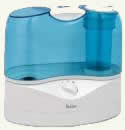
Figure 2 - Ultrasonic Humidifier
Ultrasonic technology is not suitable for forced air heating systems.
Cool Mist
Technology: Uses a fine spray nozzle mounted into the main heating duct plenum. The spray nozzle provides a mist of water directly into the warm furnace air. Figure 3

Figure 3 - Cool Mist Humidifier
Cool Mist technology is suitable for forced air heating systems.
Flow Through:
Technology: Uses a rotating, water absorbent (sponge like material) drum or water absorbent fiber plates to place water within the air stream. Motors may be used to rotate the drum mechanism (Figure 4) and/or to drive a fan to aid in air flow. As the hot air from the furnace flows over the drum or fiber plates (Figure 5) it absorbs some of the water.
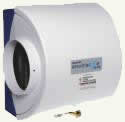
Figure 4 - Rotating Drum Humidifier
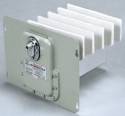
Figure 5 - Absorbent Plate Humidifier
Flow Through technology is suitable for forced air heating systems.
Both the Flow Through
and Cool Mist
humidifiers require a water line, usually a 1/4 inch, connected to a cold water, water pipe. Fittings, such as a tee saddle valve (Figure 6) allow for a convenient method of making the connection.
Note: In some jurisdictions saddle valves are not permitted by building codes. In those cases it will be necessary to install a regular style valve into the current cold water piping system (Figure 7a and 7b).
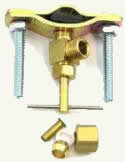
Figure 6 - Saddle Valve
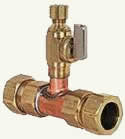
Figure 7a - Ball valve installed using compression fittings
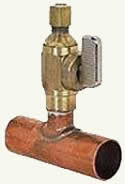
Figure 7b - Ball valve installed with 1/2" Tee
Some of the Flow Through
humidifiers will also require a drain line.
Both the Flow Through
and Cool Mist
humidifiers require regular service in order to keep them operating correctly. The amount of service is relative to the water supply. The more minerals in the water being delivered to the humidifier the more cleaning and maintenance that will be required.
Build up from mineral deposits will clog the nozzles on Cool Mist
style humidifiers and on Flow Through
style humidifiers the absorbent materials will require regular replacement.
Failure to properly clean and service the humidifiers can result in mold and bacteria growth inside the devices.