
Adding insulation to the interior of a wall, as shown in Figure 1, is one of the wisest home improvements that you can undertake. Insulation not only provides a return on the investment but makes your home much more comfortable for your family and reduces drafts and illness.
When insulating a conditioned basement, only the walls need to be insulated. The basement ceiling may be insulated for noise control between floors. Conditioned
means the space is heated or cooled by a furnace or air conditioning unit.
Prior to insulating a basement, all foundation walls should be checked for water leakage and corrective action taken. Whenever possible, leaks should be sealed on the exterior surface. In addition, the band joist should be caulked and sealed to prevent air infiltration at the construction joints and around all penetrations such as plumbing, electrical lines, and HVAC and dryer vents.
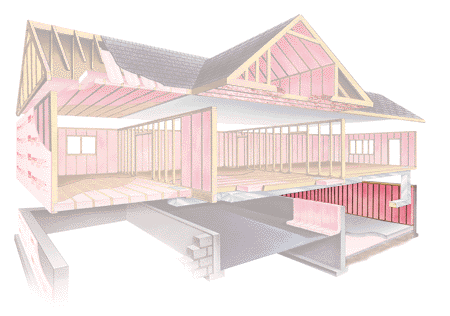
Figure 1 - Insulating walls
You have three basic options to insulate the walls:
- You can construct stud frames at the interior of the foundation walls and fill the cavities with fiber glass insulation;
- You can install foam insulation board or Basement Blanket to add R-value without sacrificing space to construct framing;
- You can use the Owens Corning Basement Wall Finishing System which requires no additional paneling or drywall.
Either kraft faced, as shown in Figure 2, or unfaced, as shown in Figure 3, exterior wall insulation can be used to insulate basement walls, with R-values ranging from 11 to 21.
Faced insulation should be placed between the studs with the vapor retarder facing the interior of the room in heating climates. The flange on the facing can be stapled to the inside or face of the stud.
For the band joist, use unfaced cut-to-fit pieces of insulation and place them snugly into the space.
Where local codes require a vapor retarder, we recommend a material of not less than 1 perm. We do not recommend the use of polyethylene on any below-grade walls.
Vapor barrier primers are an option on drywall when using faced insulation.
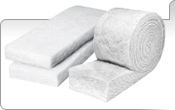
Figure 2 - Unfaced fiberglass insulation batts
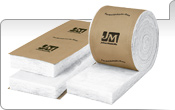
Figure 3 - Faced fiberglass insulation batts
Safety - When installing insulation it is important to wear adequate safety products, including, glasses, goggles, dust mask, respirator, work gloves and coveralls.
Note: Kraft facing is flammable and cannot be left exposed. When using kraft faced insulation, an interior finish material, such as drywall, should be installed as soon as the insulation is in place. Unfaced batts may be left exposed unless local building codes require otherwise.