Why is mold growing in my home?
Can mold cause health problems?
How do I get rid of mold?
- The key to mold control is moisture control.
- If mold is a problem in your home, you should clean up the mold promptly and fix the water problem.
- It is important to dry water-damaged areas and items within 24-48 hours to prevent mold growth.
Why is mold growing in my home?
Molds are part of the natural environment. Outdoors, molds play a part in nature by breaking down dead organic matter such as fallen leaves and dead trees, but indoors, mold growth should be avoided. Molds reproduce by means of tiny spores; the spores are invisible to the naked eye and float through outdoor and indoor air. Mold may begin growing indoors when mold spores land on surfaces that are wet. There are many types of mold, and none of them will grow without water or moisture.
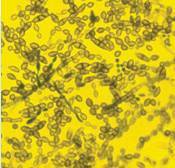
Magnified Mold Spores
Molds can gradually destroy the things they grow on. You can prevent damage to your home and furnishings, save money and avoid potential health problems by controlling moisture and eliminating mold growth.
Can mold cause health problems?
Molds are usually not a problem indoors, unless mold spores land on a wet or damp spot and begin growing. Molds have the potential to cause health problems. Molds produce allergens (substances that can cause allergic reactions), irritants, and in some cases, potentially toxic substances (mycotoxins). Inhaling or touching mold or mold spores may cause allergic reactions in sensitive individuals. Allergic responses include hay fever-type symptoms, such as sneezing, runny nose, red eyes, and skin rash (dermatitis). Allergic reactions to mold are common. They can be immediate or delayed. Molds can also cause asthma attacks in people with asthma who are allergic to mold. In addition, mold exposure can irritate the eyes, skin, nose, throat, and lungs of both mold-allergic and non-allergic people. Symptoms other than the allergic and irritant types are not commonly reported as a result of inhaling mold. Research on mold and health effects is ongoing. This brochure provides a brief overview; it does not describe all potential health effects related to mold exposure. For more detailed information consult a health professional. You may also wish to consult your state or local health department.
How do I get rid of mold?
It is impossible to get rid of all mold and mold spores indoors; some mold spores will be found floating through the air and in house dust. The mold spores will not grow if moisture is not present. Indoor mold growth can and should be prevented or controlled by controlling moisture indoors. If there is mold growth in your home, you must clean up the mold and fix the water problem. If you clean up the mold, but don't fix the water problem, then, most likely, the mold problem will come back.
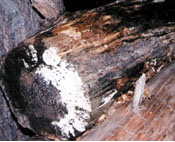
Figure 2 shows mold growing outdoors on firewood. Molds come in many colors; both white and black molds.